
A calorie total answers “how much.” Calk also traces that total back to the foods and ingredients that supplied it.
The ranking is descriptive. A food can be first because it appears often, because its portion is large, or because it is calorie-dense. None of those makes it a bad food.
Top Calorie Source#
What Calk calculates. Calk sums recorded energy by ingredient and meal over the analysis period, then ranks the contributors. Frequency and contribution are shown separately: one large restaurant meal can rank above a smaller food eaten every day.
What you can do. Check whether the top result matches what you intended and whether its amount is plausible. If a change is needed, start there because it affects more of the recorded total than trimming small amounts from many unrelated foods.
Calorie density helps explain why the ranking can be surprising. Fat supplies 9 kcal per gram, while protein and carbohydrate supply about 4. Diets with higher average calorie density are associated with higher energy intake, and controlled portion studies show that lowering calorie density can reduce intake Ledikwe 2006 Rolls 2006.
Small Item, Large Contribution#
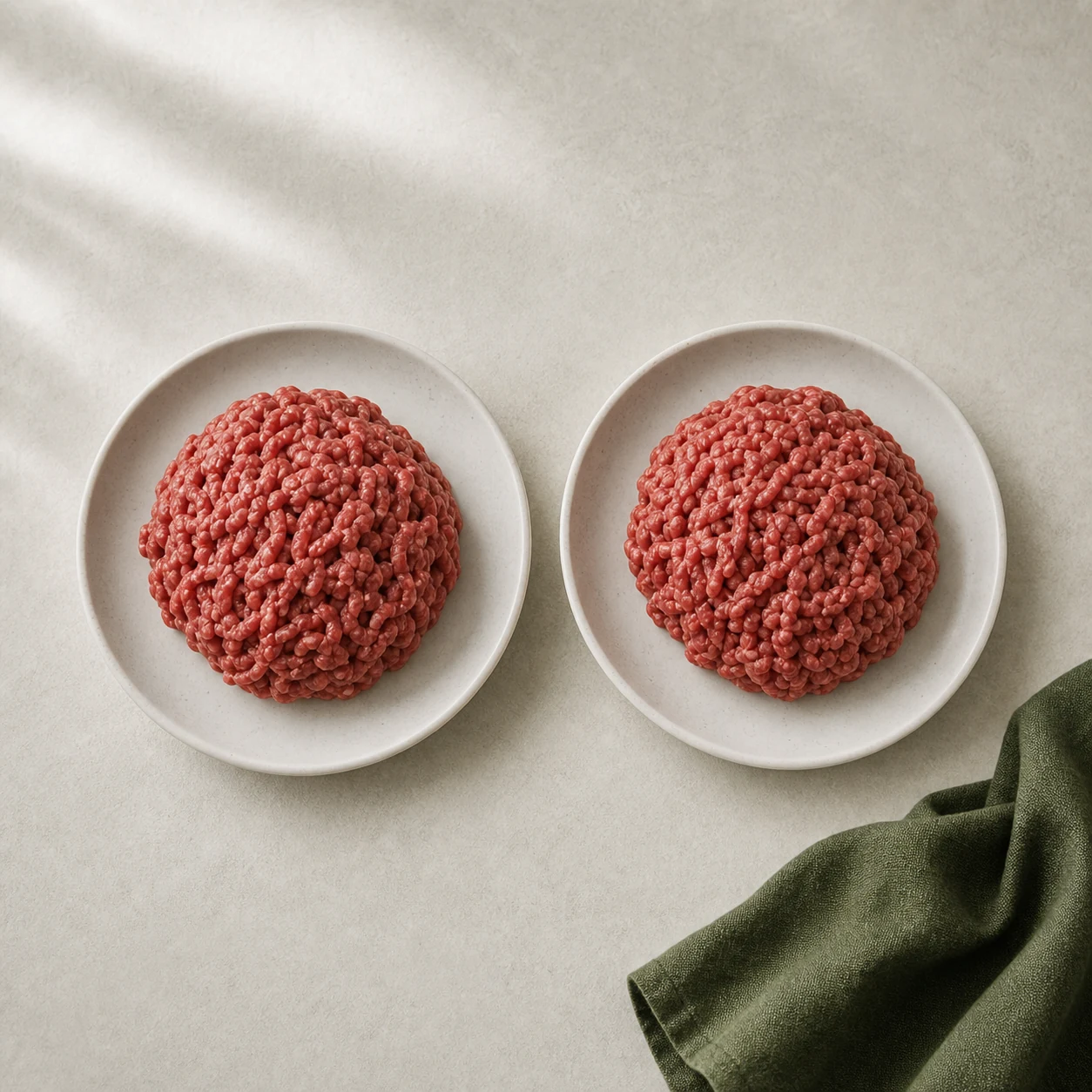
What Calk calculates. Calk identifies a relatively small recorded item that supplied a substantial share of energy. Common examples include cooking oil, dressing, nuts, cheese, spreads and calorie-dense drinks.
Visual portion estimates are imprecise. In a small study of 30 women estimating ten displayed foods, mean absolute calorie error was 53.4% Lansky 1982. That is one small study, not a universal error rate, and it shows why a dense ingredient deserves an explicit amount.
What you can do. Measure the repeated item once, or choose a clear portion in the meal template. Keep the food; correct the assumption if it was wrong.
Portion Swing#
What Calk calculates. Calk finds an ingredient whose recorded amount changes substantially between uses and shows how much that change affected energy. It distinguishes a real portion change from a food that is consistently large.
What you can do. Open the two meals and check the reason. A larger portion may be intentional. If the difference comes from inconsistent logging, set the normal amount once. If it reflects real eating, decide whether the larger version should remain occasional or become the new default.