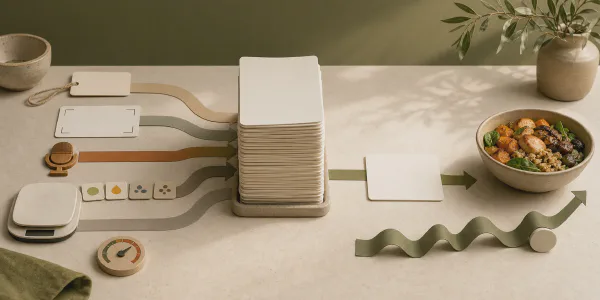
How to choose a calorie tracker in 2026: the market map
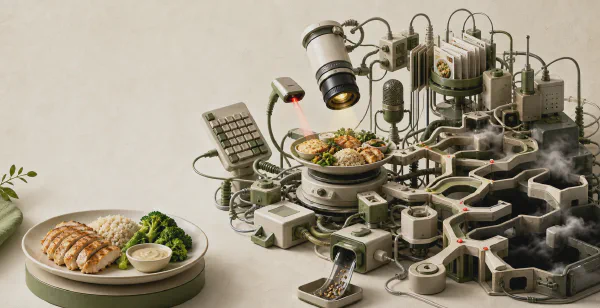
The market has learned to find food almost any way you like. What matters more is how much work is left before a useful result, and what the app remembers for next time.
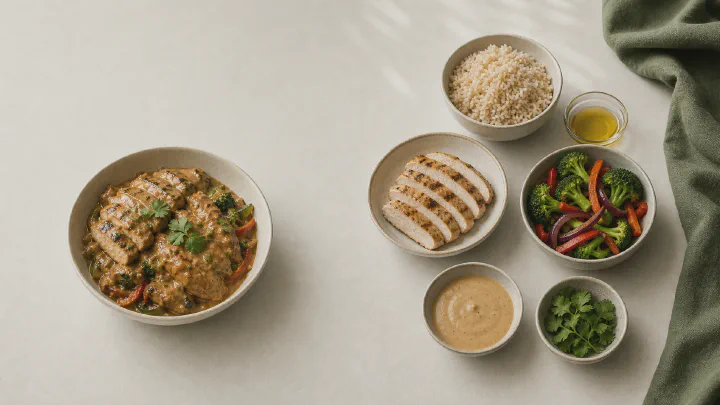
You’ve pointed a camera at dinner, watched an app guess, and known it was wrong. That does not make the photo useless. It means recognition and calorie estimation are two different jobs.
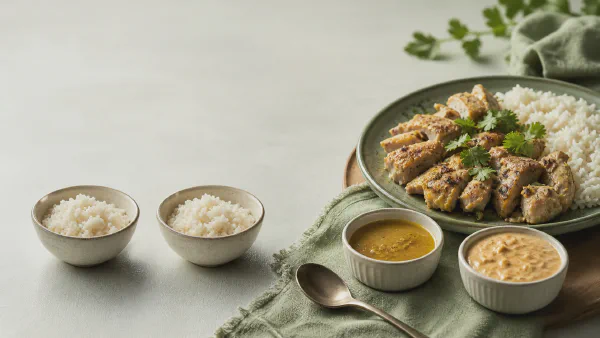
A photo may identify rice, chicken and vegetables. It rarely settles how much oil went into the pan, what is inside the sauce, whether the coating was fried or baked, or how deep the bowl is. Those hidden choices can matter more than the name of the dish.
Even a correct label is not a calorie answer. Two real versions of the same dish can differ in ingredients, cooking method and portion. A confident single number hides that spread instead of resolving it.
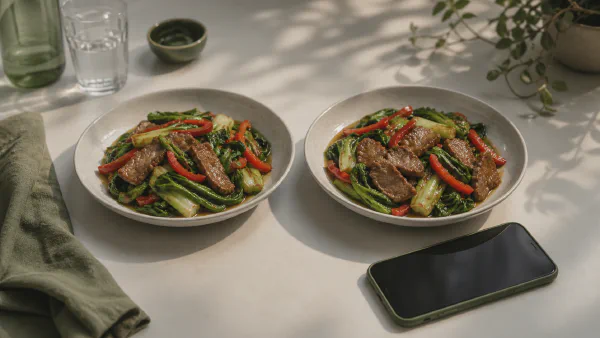
In Calk you open the closest meal template — the composition and portion of a familiar dish — and set the details you know: portion, cooking method, sauce, oil and the other parts. Chicken can be fried or baked; a salad can carry its dressing or not. You can see where the estimate came from and which choice moved it.
If you do not know the exact amount of oil or sauce, try a few likely values and watch how far the estimate travels. That tells you whether the missing detail matters to the result.
Log ordinary food this way for a month and Calk works from what you chose, not from what a model guessed: food observations point out what stands out along the way, and the monthly Nutrition Report shows what to change in the dishes you already eat.
| Your question | Read this |
|---|---|
| How accurate is calorie counting from a photo? | Photo calorie counting: how accurate is it really? |
| Which invisible details change calories most? | The hidden calories guide |
| How does an editable meal template work? | What is a meal template? |
| How accurate is Calk without weighing? | How accurate is Calk? |
| How is the underlying food data checked? | How Calk tests its food data |