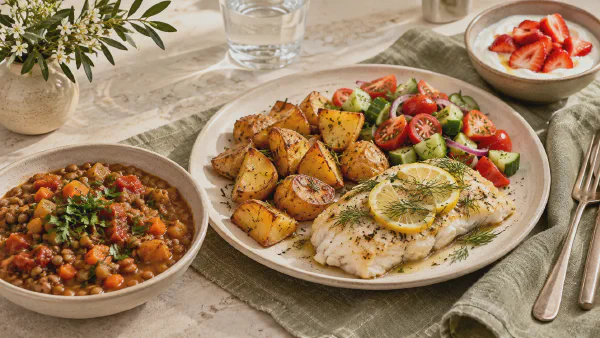
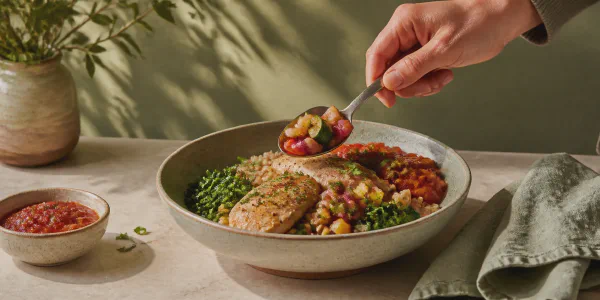
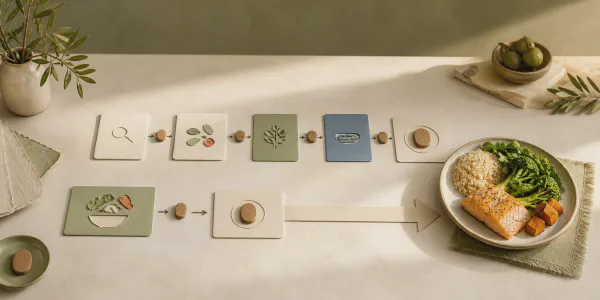
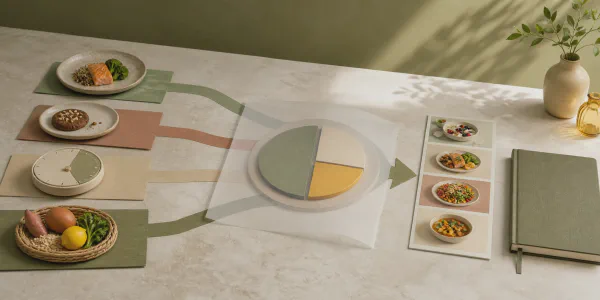
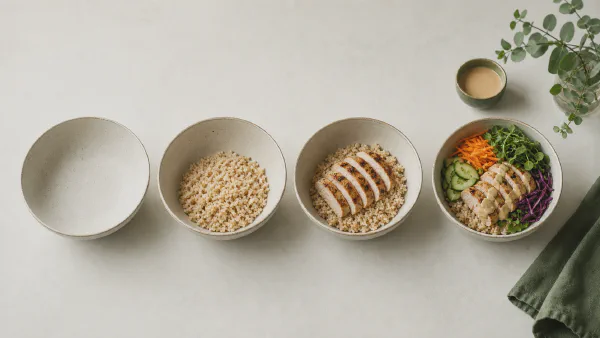
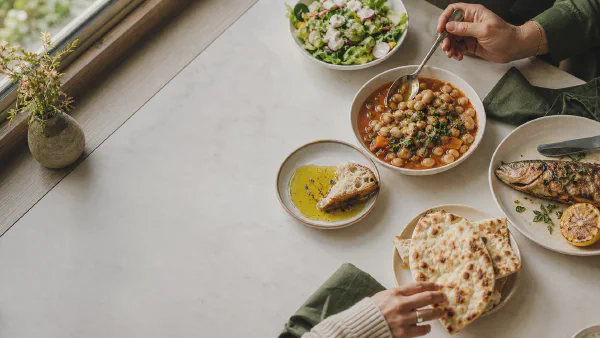
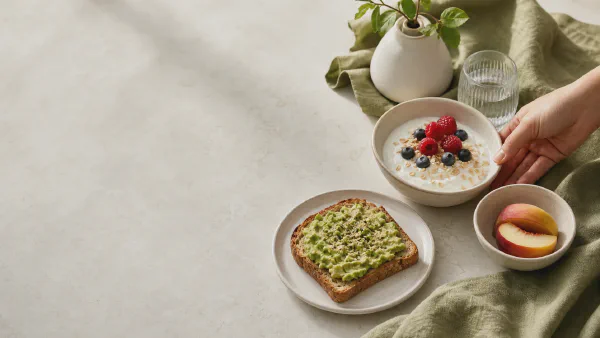
Eat differently, not less: the foods that fill you up most for the same calories, and how to build meals from them.
The MyFitnessPal Recipe Box does not come out through the official export. In Calk you describe today’s dish instead of rebuilding the archive.
Temporary rules end. Appetite, energy expenditure and your old meals don’t. So change what the meals are made of.
An entry is either from scratch — the dish still has to be found — or from your own tab, where it already sits. Both are counted.
Every diet that works creates a deficit. The only question is whether you can see it or are being promised one.
Vegetables and lentils were on your plate, but the diary shows little fiber? Start by checking the entry.
One morning shows total mass, not a change in fat. Direction is visible only across a series of comparable measurements.
The market has learned to find food almost any way you like. What matters more is how much work is left before a useful result, and what the app remembers for next time.
Missed days are missing data, not a debt. Come back with one question, start at the next meal, and know what will end the check.
Four apps start logging in four different ways. What matters more is what each of them asks of you in month two.
The difference does not show on the first entry. It shows on the second: MyFitnessPal brings back saved rows, Calk keeps the ingredients selected so you can adjust only what changed in today’s meal.
Both apps work with weight and food. Where they part ways is how many months you are expected to keep entering meals.
Cronometer offers detailed nutrient records and reports. Calk centers its food check on changes to familiar meals and an end to daily logging.
The first few weeks teach you a lot about your food. Then the discoveries slow down, but the work stays the same.
One search, several plausible answers. Here is what those rows actually describe — and what Calk calculates instead of asking you to pick one.
Start with the meal, not a search result. Change only what changed today, then log it.
Use the weight trend, add food through meals you can repeat, and check protein without turning every day into a spreadsheet.
Your favorite restaurant, a hotel breakfast, a holiday dinner: they all belong in your food diary. Calk helps you include them without hunting down the exact recipe.
When appetite returns, check whether your weight trend and your usual meals changed. Run a short food check, make one repeated meal more filling, and take medical questions to a clinician.
A useful eating habit is a meal you like, can repeat and can adjust without starting a new diet.
Separate rapid scale movement from fat loss, protect muscle and choose a pace that does not require a crash diet.
A practical no-scale method: estimate the portion, name the calorie-dense parts and use the same reference each time.
Thirty plants was the top band of a survey question in an observational study, not a universal prescription. The useful idea is to widen a narrow rotation.
Understand your diet, check the result and get on with your day. Return to the diary when your weight or routine changes.
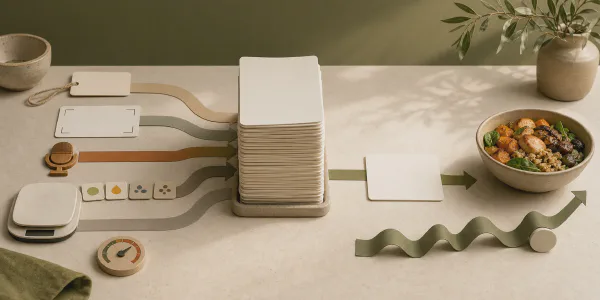
Many sources, one clear food option: how Calk combines compatible evidence, checks complete meals and builds a small, editable catalog.
Why a ready-made, editable meal template can be more useful than a collection of scanners, searches and recognition tools.
The published result covers Calk’s meal templates. Your real-life estimate also depends on matching the meal and judging the portion.
Starting a meal with vegetables or protein lowered the glucose rise from the same food in small short-term trials. The measurement covers a single meal, so this is an optional habit — the composition of the plate still matters more.
A month can add up to hundreds of food entries. Calk shows which habits affect your results and which change to try first.
A month turns separate meals into a pattern: what repeats, what changes the total, what already works and what one change is worth testing.
Listen to hunger and fullness. Add a short food check only when you need an answer those cues cannot give.
Losing weight asks whether the trend is moving. Maintenance asks whether anything has changed — and that question does not need a diary open every day.
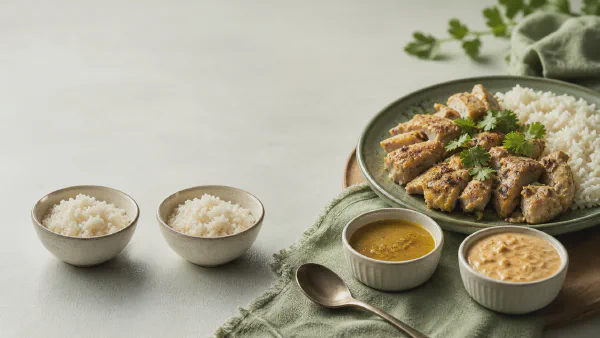
Steamed chicken and breaded chicken are different dishes. Here is how to account for oil, additions and weight changes during cooking.
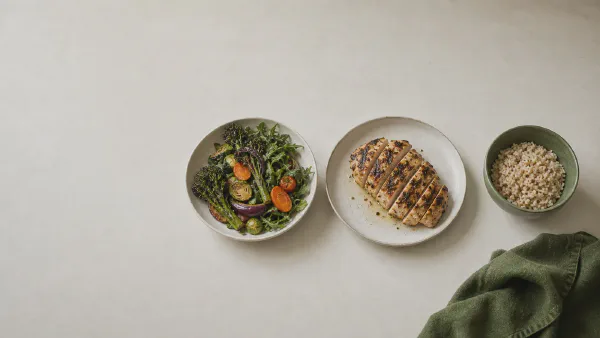
A familiar plate can change before its appearance does. Here are the ingredients and preparation details worth checking first.
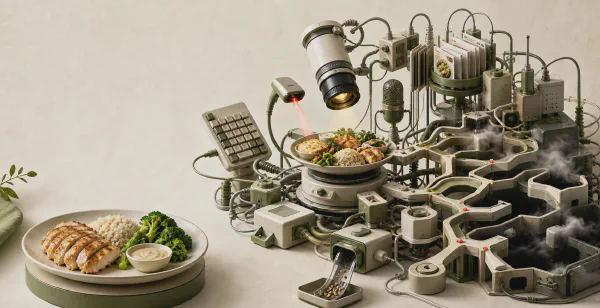
A photo recognizes food; it does not measure calories. 18 sources with an error figure on one chart, the ways accuracy is raised, and why a person still checks the recipe and the portion.
When your usual meals help you maintain weight, you do not need to count them every day. Keep weighing yourself and save the diary for times when you need answers.
Your meals, weight, targets and reports stay on your device. Here is what Calk stores, what limited data may leave the app and how to delete it.
One weigh-in tells you your total mass at that moment. A series of comparable weigh-ins shows the direction.